
At Ptarmigan Clockworks, we’re bringing high-precision optical clocks from lab to market.
Built on the gold standard of atomic physics
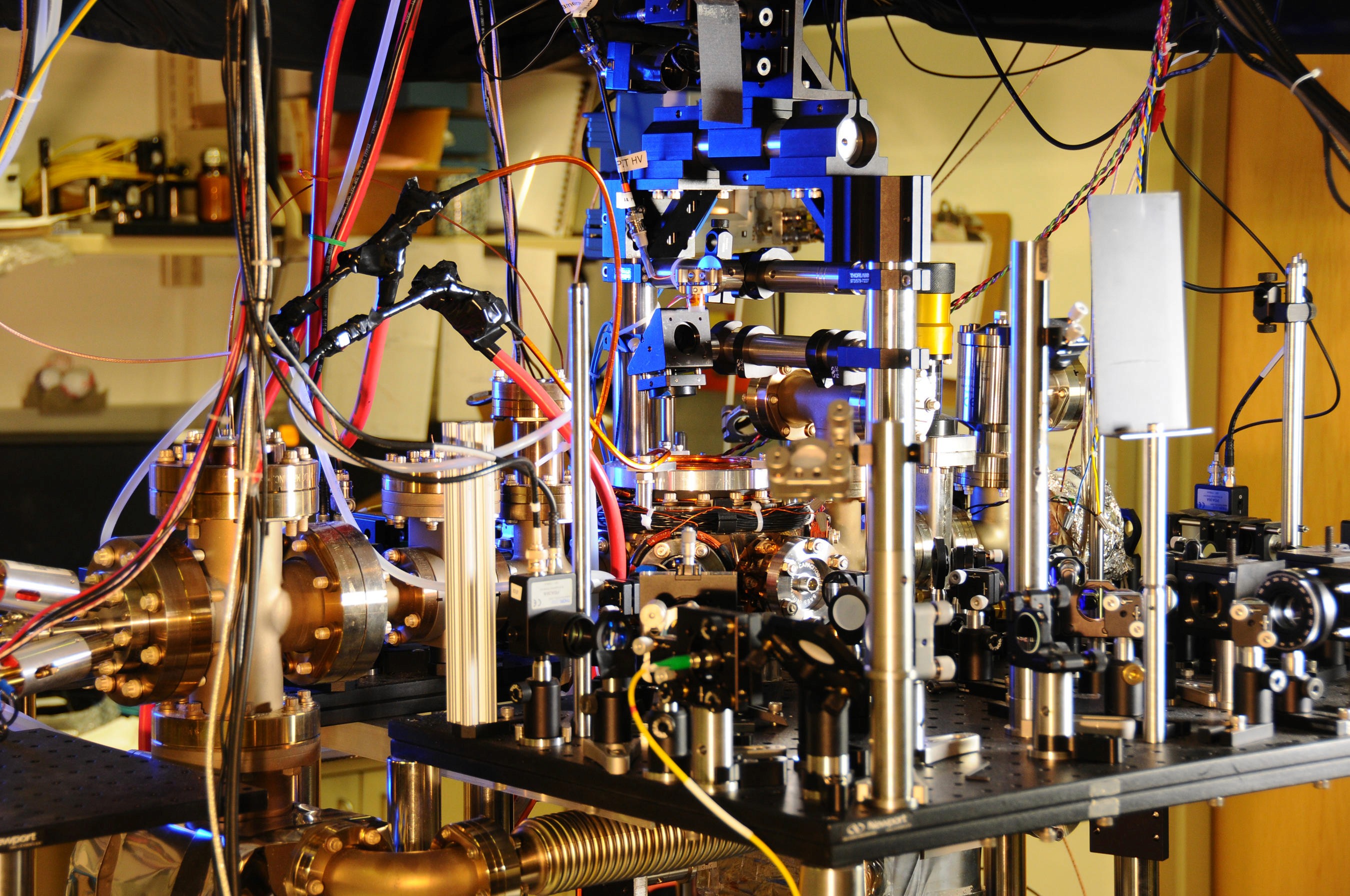
Our patent-pending ytterbium optical clock technology was developed at NIST — the same institution that defines the U.S. standard of time. We’ve taken that laboratory breakthrough and engineered it into a low-SWaP (size, weight, and power) form factor for real-world deployment — bringing optical-class frequency stability at a fraction of the size and complexity of a research-grade system.
Technology: Ytterbium optical clock
Optical clocks operate at frequencies 100,000× higher than conventional cesium references, delivering orders-of-magnitude improvements in stability and accuracy.
Where precision time changes everything
Telecommunications
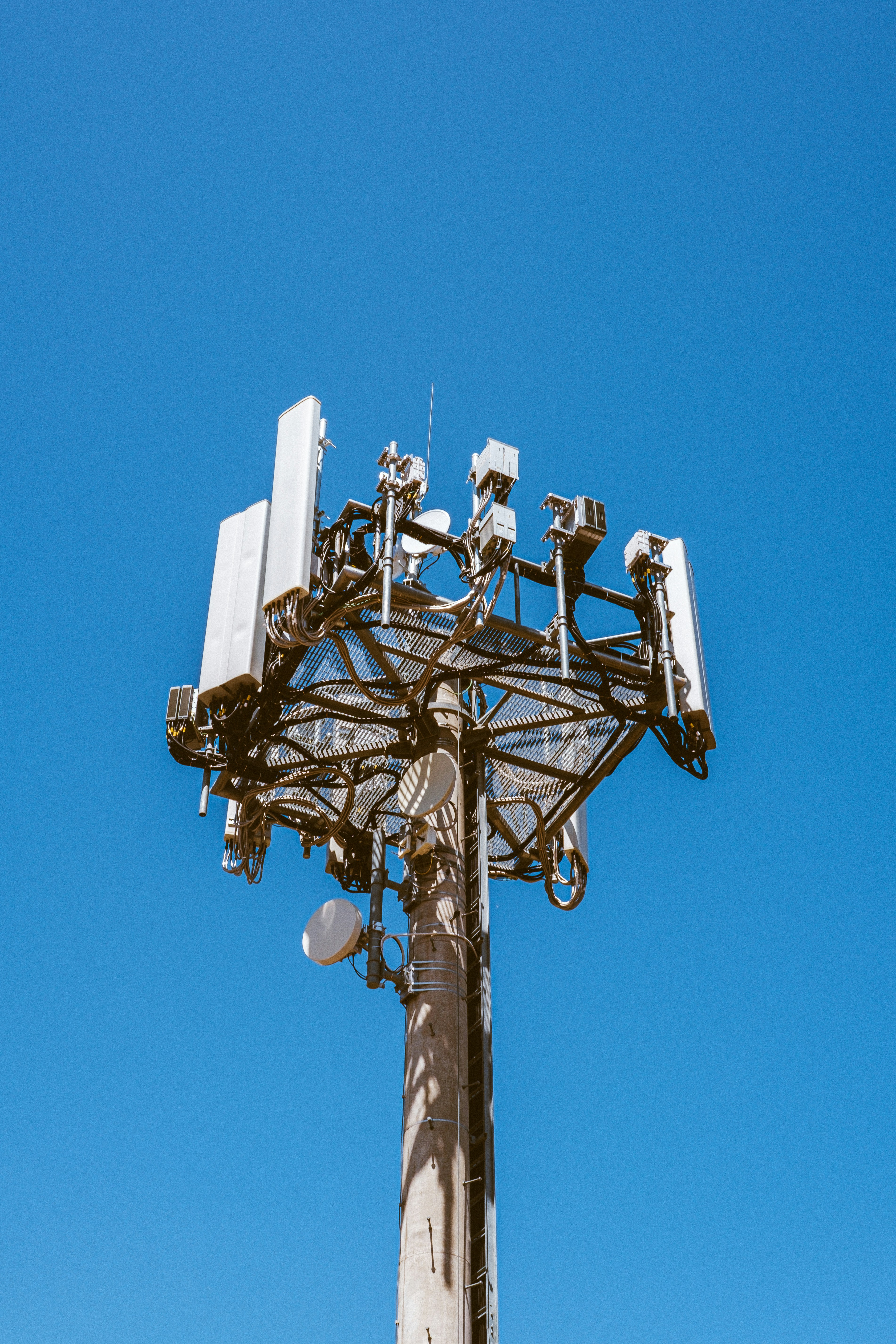
5G already mandates sub-microsecond synchronization across base stations. As networks advance, the requirements tighten dramatically: Ericsson and Nokia Bell Labs researchers have shown that 6G’s distributed MIMO architecture demands sub-nanosecond synchronization between network nodes, with high-accuracy localization use cases requiring as little as 100 picoseconds of timing precision between infrastructure nodes. This is a threshold that conventional cesium or GNSS-derived references simply cannot meet. Precision optical timing is the key to next-gen telecom networks.
Ref: Wymeersch et al. (Ericsson Research, Nokia Bell Labs, Chalmers), “6G Radio Requirements to Support Integrated Communication, Localization, and Sensing,” arXiv:2205.10783, May 2022 — arxiv.org/abs/2205.10783
PNT / Defense
GPS is fragile. Jamming, spoofing, and contested electromagnetic environments make satellite-dependent navigation a strategic liability. Precise atomic clocks are the backbone of any credible alternative PNT architecture — enabling inertial navigation systems to hold position accuracy for far longer between corrections. Next-generation optical clocks deliver centimeter-level positioning accuracy even when the sky goes dark.
Ref: LLNL Center for Global Security Research, “How Quantum Sensing Will Help Solve GPS Denial in Warfare,” 2025 — cgsr.llnl.gov


Finance
In algorithmic trading, microseconds matter. Regulators know it: MiFID II requires timestamps accurate to 100 microseconds for high-frequency traders, traceable to UTC. FINRA mandates synchronization to the NIST atomic clock within 50 milliseconds for all reportable events. Local precision clocks are critical to maintain timestamp accuracy even when GPS links are lost.
Ref: ESMA RTS 25 (MiFID II); FINRA Rule 7430; IBM “STP and z/OS recommendations to meet FINRA and MiFID II” — ibm.com
Additional services
In addition to our clock products, Ptarmigan is your provider of precision time and frequency services.
Time and frequency consulting
Not sure how to meet your timing or frequency spec? Our team of metrology experts will assess your architecture, identify gaps, and design your system to meet your requirements. Get in touch today for a tailored solution.
Atom-stabilized optical references
Access frequency references locked to atomic transitions — providing stability and accuracy unavailable from any quartz or MEMS-based oscillator. Ideal for quantum experiments, optical communications, and precision metrology. Our frequency reference service will begin rollout in the Boulder Colorado ecosystem in 2027.
Precision device testbed
Stability matters across every timescale. We will provide rigorous characterization from 1 s to 10⁶ s — with 24/7 support and hands-on guidance to accelerate your development cycle and validate your device’s performance.
Meet the founders
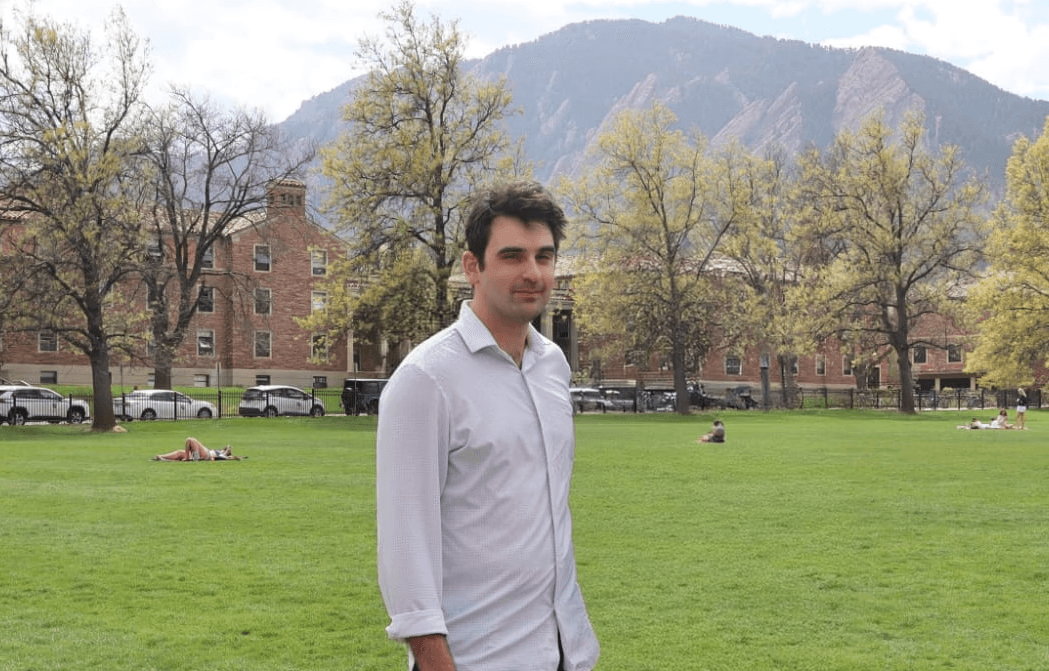
Ben Hunt
Co-Founder

Ben’s background spans precision metrology and atomic physics. He founded Ptarmigan Clockworks to close the gap between the state of the art in time and frequency research and what’s actually available to engineers building next-generation systems.

Harikesh Ranganath
Co-Founder

Harikesh brings expertise in quantum systems engineering and a deep focus on translating precision timing technology into commercial applications — including the synchronization infrastructure demanded by quantum networks and 6G telecommunications.


Let’s get in touch
What makes an optical clock different from a regular atomic clock?
Conventional atomic clocks — including the cesium references used in GPS satellites and telecom infrastructure — operate at microwave frequencies (~9 GHz). Optical clocks use atomic transitions in the optical frequency range (~500 THz), which is roughly 100,000× higher. A higher “tick rate” means finer resolution and dramatically better stability over time. Ytterbium optical clocks represent the current frontier of this technology.
What is SWaP and why does it matter for deployment?
What does “NIST-developed” mean for your technology?
Who are your target customers?
Can I access your technology without purchasing expensive hardware?
How does your technology compare to cesium or rubidium clocks currently used in telecom?
Are you currently taking on customers or collaborators?